Selecting the Best Madison Roofing Specialist
Reliable Roofing Specialist for Quality Home Protection
Picking a reputable roofing contractor is an vital selection for homeowners. A experienced professional ensures adherence with industry standards and minimizes potential risks. The right contractor not only provides personalized solutions but also stresses robust communication and trustworthiness. This foundation results in a secure and fortified home. However, the process of finding such a contractor demands more than just a quick search. Comprehending the key qualities and factors can make all the difference.
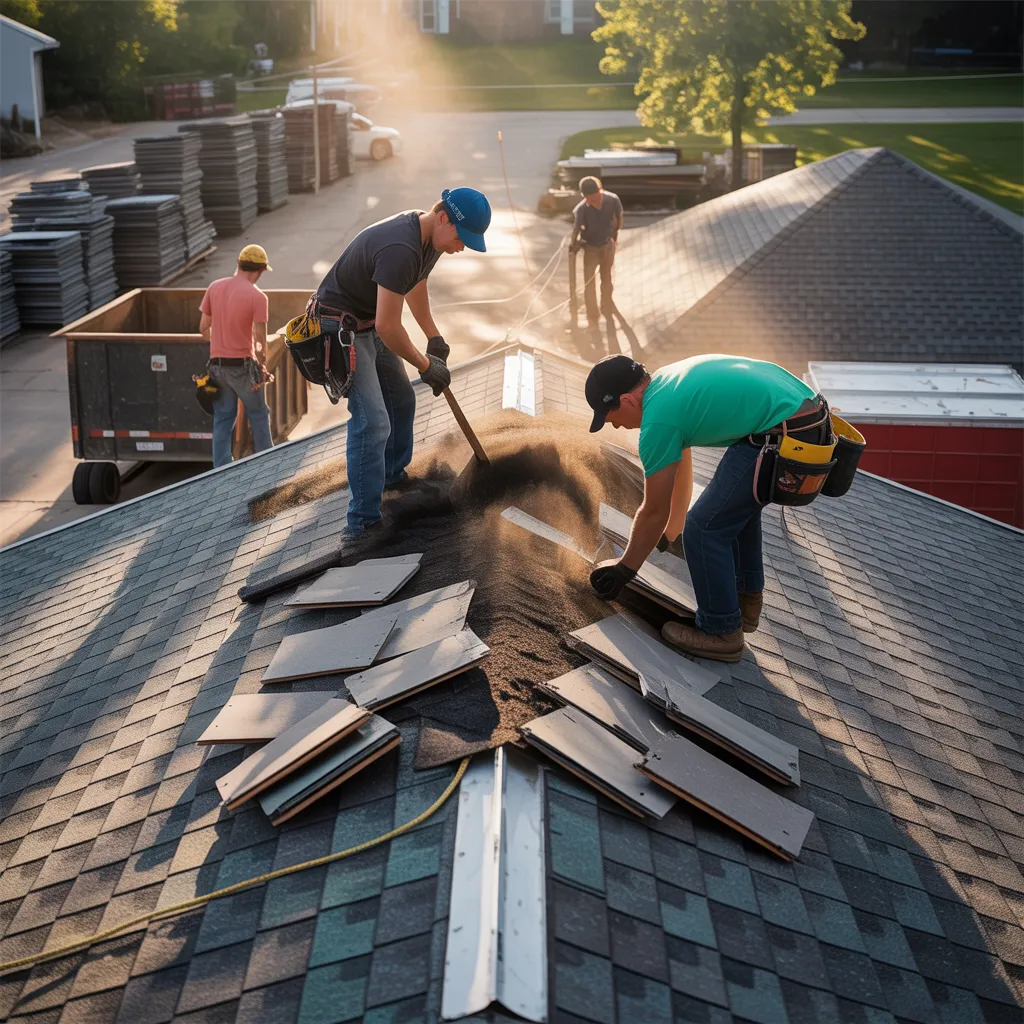
Why Choosing the Best Roof Expert Matters
How important is it to select the correct roofing contractor? The choice regarding a roofing contractor greatly influences the durability and efficiency of the roofing system. An poorly installed roof can lead to leaks, structural damage, and elevated energy costs, ultimately compromising the home's safety. A well-regarded contractor ensures compliance with local building codes and utilizes high-quality materials, aiding in a durable and trustworthy roof. Additionally, knowledgeable contractors provide useful information into the most suitable roofing solutions adapted to specific needs, boosting overall home protection. A wrongly selected contractor, conversely, may cause subpar workmanship and unforeseen expenses. This decision has serious long-term consequences; therefore, comprehensive research and review are essential. Hiring a dependable contractor not only secures the roof but also fosters peace of mind for homeowners, knowing their investment is safeguarded. Ultimately, choosing the right roofing contractor is foundational to maintaining the integrity of the home.
Vital Elements to Assess in Your Roofing Professional
Selecting a roofing specialist demands careful consideration of multiple key attributes that ensure a completed project. First, a trusted contractor should have valid credentials and coverage, guaranteeing adherence with local regulations and protection against possible risks. Experience in the roofing sector is critical, as it demonstrates a contractor's capacity to handle various obstacles successfully.
Moreover, strong communication skills are vital; a reputable contractor ensures clients receive updates throughout the project, handling concerns immediately. Consistency is another critical quality, proving that the contractor can stick to timelines and commitments.
Furthermore, a robust collection displaying past work can deliver insight into the contractor's craftsmanship and technique. Finally, favorable customer testimonials and recommendations function as a reflection of their reputation and service quality. By assessing these important characteristics, homeowners can take a informed decision when choosing a roofing professional to protect their homes successfully.
Key Roofing Materials: Types and Advantages
Roofing components are important in the lasting quality and visual appeal of a home. There are various types, each with distinct advantages. Asphalt shingles are popular because of their low cost and ease of installation, making them ideal for many homeowners. Metal roofing, known for its long life and resistance to extreme weather, can be a better green choice, often reflecting heat to reduce energy expenses.
Clay and concrete tiles present remarkable toughness and a classic appearance, while slate roofing is much respected for its elegance and lasting quality, although it comes at a steeper cost.
Wood shakes present a natural appearance, but they demand more upkeep. Finally, engineered materials, such as rubber or polymer shingles, blend the benefits of traditional materials while being light in weight and environmentally conscious. Selecting the right roofing material is important for maintaining both protection and aesthetic appeal, finally enhancing the home's worth.
Analyzing Roofing Proposals: Aspects to Assess
When deciding on a new roof, gathering quotes from roofing professionals is an essential phase in the evaluation process. Homeowners should concentrate on several important factors to make sure they get a thorough and equitable proposal. First, it is necessary to compare the work description included in each estimate, including materials, labor, and any extra services. Precise itemization supports understanding what is contained.
Next, property owners should look for warranties on both labor and materials. A reliable contractor often provides a guarantee that safeguards against flaws. Additionally, the schedule for project completion should be clearly defined, as postponements can impact planning and budget.
At last, it's sensible to appraise the contractor's reputation through critiques and references, confirming they have a history of quality results. By carefully examining these elements, homeowners can make informed decisions that best suit their expectations and financial plan.
Why Licensing and Insurance Are Fundamental?
A strong foundation for any roofing project depends on the contractor insurance and licensing. Certification ensures that the contractor has satisfied specific industry standards and regulations, showing a dedication to professionalism and quality. It acts as a protection for property owners, suggesting that the contractor is capable to perform the required work.
Insurance, on the other hand, defends both the contractor and the homeowner from potential liabilities. In the event of accidents or damages during the roofing process, insurance provides coverage, guaranteeing that financial burdens do not fall on the homeowner. Without proper insurance, a homeowner might face major out-of-pocket expenses if something goes wrong.
Together, licensing and liability coverage not only improve the contractor's credibility but also bring peace of mind to homeowners. Selecting a experienced, licensed, and bonded roofing contractor ultimately read the information helps the durable defense and equity of the home.
Main Questions You Should Inquire Your Roof Company?
How can homeowners guarantee they choose the right roofing contractor? One practical method is to prepare a set of essential questions to ask potential contractors. Homeowners should ask regarding the contractor's background and previous work to evaluate their skills. It's also vital to ask for testimonials and feedback from past customers, which can offer useful information into the contractor's reliability.
Another primary question focuses on the supplies and approaches the firm plans to use, validating they meet industry standards. Homeowners should also verify that the firm is properly insured and licensed, delivering protection from potential risks. Additionally, covering the schedule and payment terms can help set clear expectations. In closing, homeowners should inquire regarding warranties on labor and materials both, supplying assurance of quality and durability. By posing these focused questions, property owners can make informed choices, ensuring their roof project is completed efficiently and effectively.
How a Quality Roof Enhances Your Home's Worth
Investing in a quality roof not only defends a home but also greatly enhances its market value. A expertly built roof serves as a protective guard against the elements, cutting down the risk of water damage and structural issues. Homebuyers often prioritize the condition of the roof, as it has a direct effect on their potential maintenance costs.
Additionally, a visually appealing roof can enhance the general appearance of a property, rendering it more desirable to prospective buyers. Different roofing materials and designs can also affect property worth; high-quality materials such as slate or metal tend to yield better investment returns.
Furthermore, a new roof can enhance fuel economy, resulting in lower utility bills, which is an engaging feature for sustainability-focused buyers. Ultimately, a excellent roof not only gives peace of mind but also works as a key asset in maximizing a home's value in a fierce real estate market.
Commonly Asked Questions
What Timeframe Does a Typical Roofing Project Need to Complete?
A typical roofing project usually takes between a few days to a week to complete. Factors such as roof dimensions, weather patterns, and material type can shape the overall duration of the assignment considerably.
Which Protection Plans Can You Receive for Roof Installation?
Different kinds of guarantees for roofing services are available, including manufacturer warranties covering materials and labor guarantees from contractors. These warranties generally range from a few years to several decades, depending on the materials used and the contractor's policies.
What Steps Should I Follow to Maintain My Roof Following Installation?
A roof needs upkeep following installation, including frequent assessments, clearing debris, cleaning gutters, and quickly addressing any damage. Additionally, professionals recommend periodic routine evaluations to guarantee longevity and peak performance.
What Can I Do if My Roof Has Water Damage?
If a roof is leaking, the homeowner should pinpoint the source of the leak, limit any water damage, and hire a contractor for maintenance work. Timely action inhibits continued harm and guarantees the roof's integrity.
Can You put a additional Roof Over an present One?
Yes, installing a new roof over an existing one is feasible, given that the current roof is in good condition and local building codes permit it. This technique can spare time and reduce costs considerably.